Bolivia and Coffee
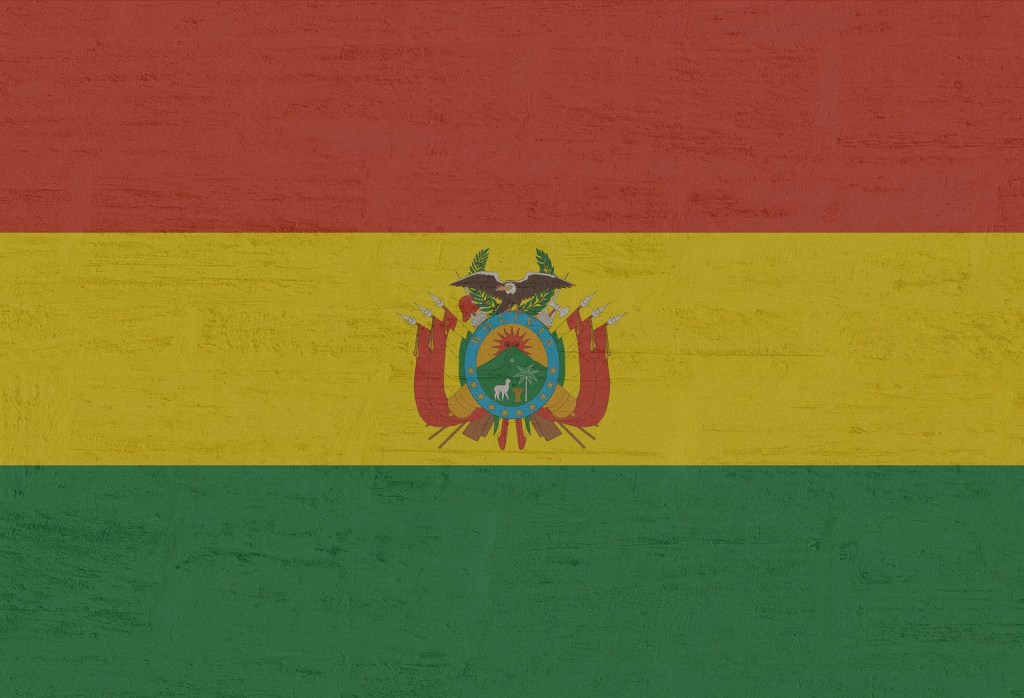
The history of Bolivia is turbulent and complicated. This is a country that was part of the Inca empire, the greatest empire the continent has ever seen. In modern history, the country has seen its fair share of military conflicts, one war, and more than a couple economic crises.
It’s this complex history that has, for a very long time, deprived the world of a very special kind of coffee. Bolivia is a very biodiverse country; One of the most biodiverse countries in the world (which, if you take its size into account, is impressive), and that means that there is plenty of land that meets the requirements for growing top-notch coffee.
But there is one particular place where coffee is said to be one of the best in all of South America: The Yungas.
The word Yunga comes from an indigenous language – it refers to the hospitable areas on the slopes of the Andes mountains. It is here where biodiversity is at its peak, with very similar conditions as those found in the Amazon forest. Here, on these lands, you can find rainforests, cloud forests – The climate is ideal, at around 20° Celsius in the more temperate climates but colder the higher you go.
Here, it is mostly the indigenous people of Bolivia who really know the land and its ins and outs that work as farmers in these lands. Indigenous tribes make about 20% of the population in Bolivia (to get an idea, Native Americans make about 2% of the population in the US).
Indigenous tribes have always been quick to adapt to the market – Coca farming experienced a boom never seen before in the history of farming during the 70s and 80s, and it is still widely accepted for farmers to grow coca leaves. To put this in perspective, Bolivia is still a developing country: almost 40% of the population is below the poverty line, and indigenous tribes are the most stricken by poverty.
This is why, regardless of the risks, many turned to coca farming instead of other crops like coffee. Coca farmers often fall prey to collectors when they can’t live up to their quota – and some are killed by competitors. This is why coca farming is taboo in Bolivia.
Fortunately, thanks to the rising popularity of coffee, coffee farming has become much more commonplace in the country.
The Death Road of Bolivia
One of the most notable factors regarding why Bolivian coffee is so hard to find is all because of the world’s most dangerous road: Bolivia’s road of death – El camino de la muerte.
This road goes around the mountains, leading up, deep into the mountains. The path is very narrow, just a little under 12 feet, and in some places, the fall can be of over 2000 metres – completely, utterly fatal.
Yet for a long time, this was the only road available for coffee farmers in the Yungas to bring down their coffee to the rest of the country. It was a lose-lose deal: either the truck would be in an accident and their hard work lost, or the quality of the coffee would have suffered greatly due to the unequipped trucks which didn’t protect the coffee from rain, dirt, and foreign smells. The quality of Bolivian coffee suffered, and was for the longest time not deemed worthy of exporting.
Then came the nineties, and by the end of the decade, many efforts were put toward weaning farmers off of coca, and into safer crops. So the Road of Death was pavimented – which made it a little safer. More roads were built, and bigger trucks were put to service to help these farmers.
Many farmers then transitioned into Cocoa, coffee – business was good for them. Still, Bolivia doesn’t export nearly as we would like it to: A lot of the coffee is destined either for local consumption or to the nearest country; Chile.
The process of implementing better infrastructure for Bolivian roads is still very much ongoing. So, while right now it’s not in the best condition, there’s a lot of hope and excitement that in the future we will have a greater availability of Bolivian coffee in the international market. A lot of effort is still being poured into bettering farmers’ tools, including farmers having better tools to store, roast, and grind their coffee.
Specialty coffee from Bolivia
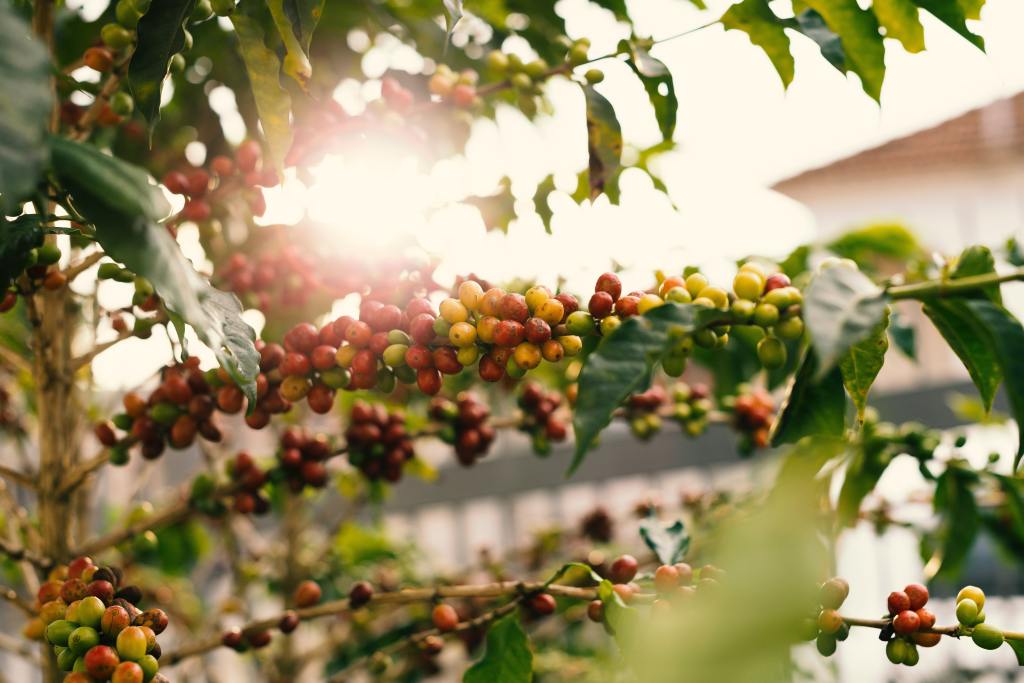
The most sought-after coffee among Bolivian coffee lovers is the famous Peaberry coffee that comes from this country. Peaberry is frequently found among all countries – it’s a term used to call the coffee cherries that give not two, but just a single coffee bean.
This coffee bean is smaller, rounder than usual beans – and the taste and aroma that would usually be contained in two separate beans is condensed inside this small, single coffee bean. The Peaberry in Bolivia is extremely rare – it amounts to about 5% of all the coffee beans produced in the country, so it ends up being the most gourmet -thus expensive- coffee exported.
It is this Peaberry that usually makes its way to the international market- though expensive and hard to find, it is worth trying at least once in your life.
The rest of the coffee produced in Bolivia, mostly Arabica, is used either for local consumption or for exporting to nearby countries like Chile and Argentina: All products farmed in Bolivia are seen as having a far superior quality in all of South America. Bananas, chocolate, and coffee from Bolivia is, for South Americans, a delicacy.
A bright future
There’s much excitement in the coffee world about Bolivian coffee. Traditionally, Bolivia’s been rather shy when it comes to foreign investments which could boost their market and increase their productivity. This, among other things, is what keeps their coffee in such low numbers despite the high demand of Bolivian coffee.
With the recent transition of government to one that is more open to foreign investments, it is likely that farmers will start seeing improvements of infrastructure and living conditions, which will in turn attract more people to the coffee farming business.
Get ready to start seeing more and more Bolivian coffee around!

