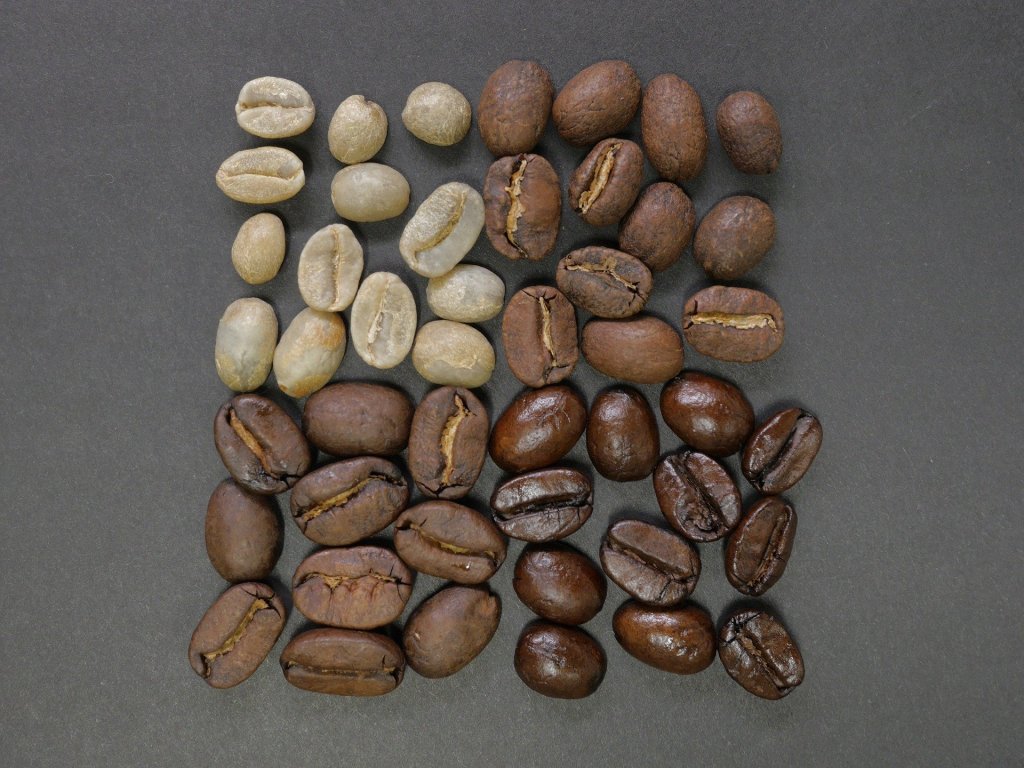
Get toasty with your beans!
In the world of coffee, there is a rich world of particulars that all play a role in what makes your coffee, well, coffee! Or rather what makes your coffee, taste, smell and even look the way it does. One of those particulars includes roasting types.
There is a sophisticated spread of different roasting types that can mean the difference between one series of flavors with a nuanced flavor palette to enjoy and an almost completely different flavor palette from the same bean.
But, does the roast effect one of the most important parts of coffee? One of the major reasons many of us around the world drink it just about every single day? The caffeine levels? Well, let us explore the different roast types and the role roasting can play in your coffee’s flavor palette and caffeine levels.
The roasting types
But first, let us take a quick look at all the various roasting types to choose from. From the light to the darkest, and everything to enjoy in between. Each roasting type is unique and results in a different and nuanced flavor and aroma of coffee. The roasting ones beans have undergone can also play a role in what type of coffee you can enjoy or what varieties of coffee beverages you should utilize your beans to prepare.
Light roasts
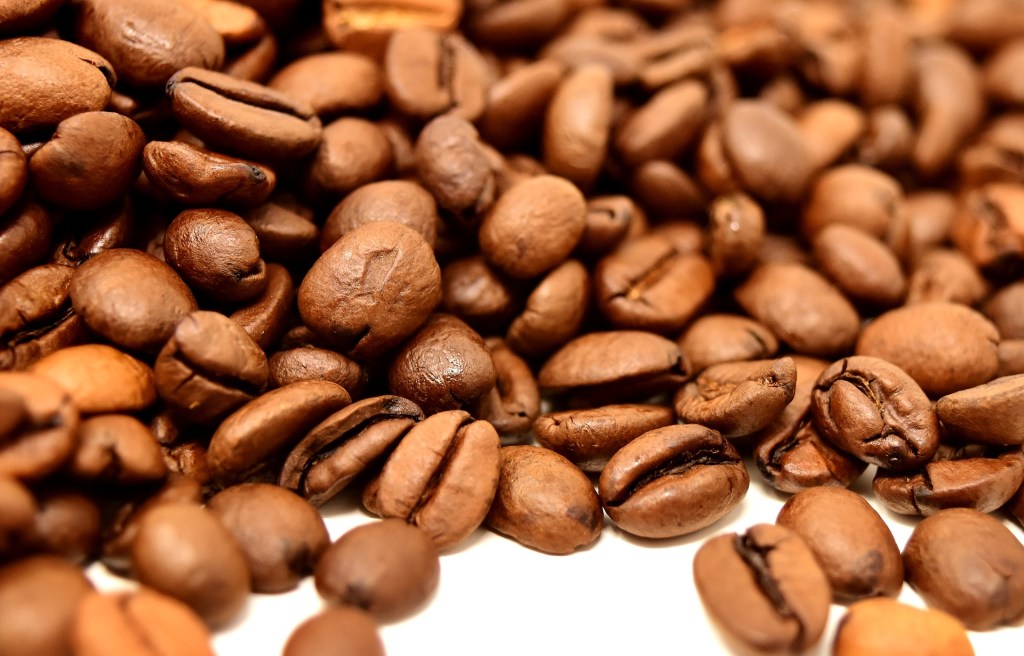
This roast is, as the name suggests lighter. And that extends from the color, which is a tan to darker tan color to certainly the roast level. These are beans that are roasted the least, of course, but in addition to that they possess less oil on their surface and possess a light body . They have substantial acid in the flavor profile and a toasted grain flavor. Light roasts retain a greater deal of flavor from the bean’s place of origin. So a bean produced in Costa Rica and a bean produced in Sumatra will reflect those regions more than the same beans of darker roasts normally will. Light roasts also contain a decent amount of caffeine. The caffeine that naturally is produced by the coffee plants dissipates a bit as the beans become more and more roasted. Some handy names for Light Roasted beans include New England Roast, Cinnamon Roast, Light City and Half City.
Medium Roasts
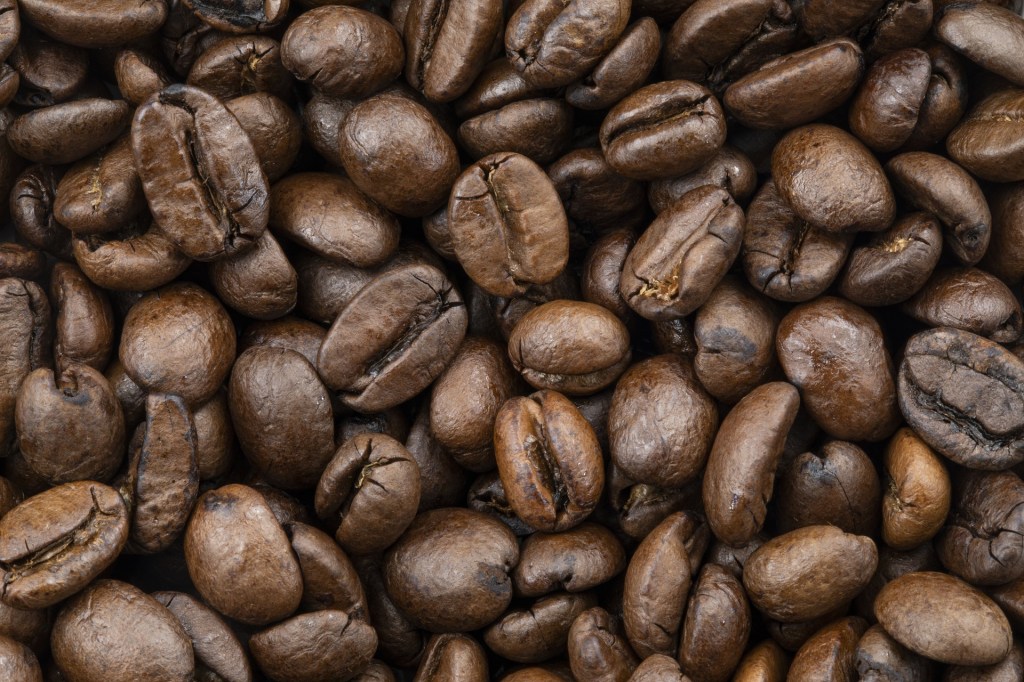
With a more medium brown coloration and more of a body than their light roasted predecessors they also have no oil on their surface. Their flavor and aroma palette is a little more nuanced featuring a balance of acidity and other flavors. It is here where the caffeine content begins to decrease a little bit, but not too significantly when compared to light roasts. For those in the market for medium roasts, keep your eyes peeled for American Roast, Breakfast Roast, City Roast and Regular Roast. All Medium Roasts that result in fantastic cups of coffee.
Medium-Dark Roasts
This darker brown, almost black colored series of beans have a few key characteristics that set them apart from their lighter brethren and sistren. This is the roasting level when the oils that are inside the bean begin to get heated out and coat the surface of the bean. The body of medium-dark roasted beans is also comparatively heavier than other lighter roasts. This is also the roasting type in which the different tastes that come out with heat are beginning to come out and play. One flavor note in particular is spiciness, a flavor note that may not be present in lighter roasted beans of the same bean type. Are you interested in picking out some medium-dark beans? Look for Vienna Roast, After Dinner Roast and Full-City Roast. These roasting types are sure to dazzle!
Dark Roasts
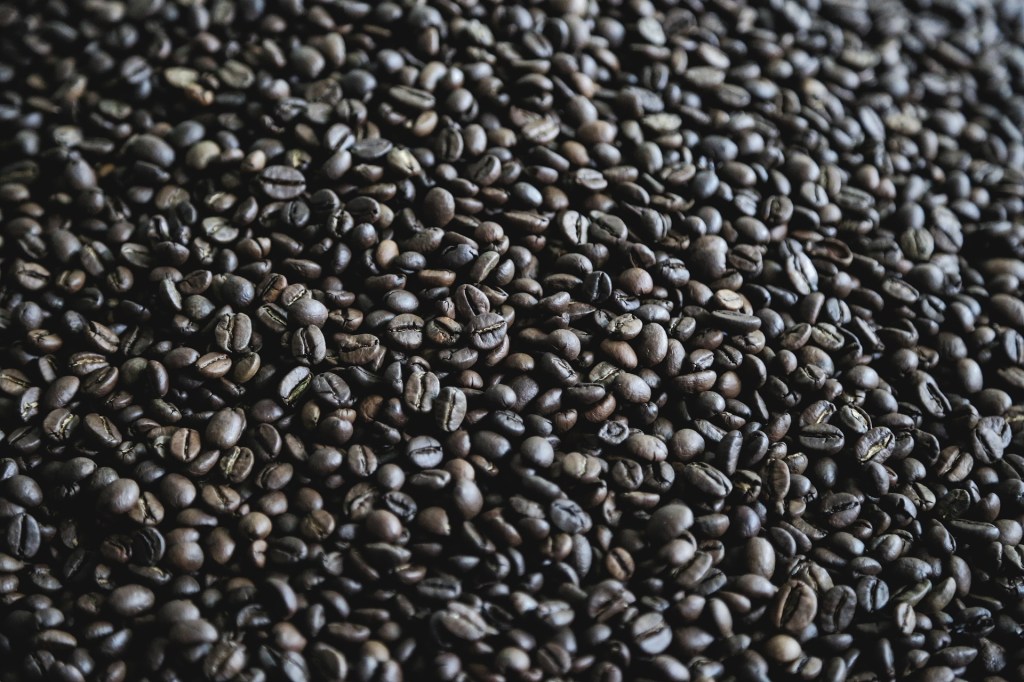
Here it is! Maximum dark. The beans have now become very dark brown to near black in coloration. Such things can be expected when you fire up the beans, of course! The amount of heat that these beans endure results in a smooth-looking and shiny surface, this comes as result of the oil, once locked inside the bean, coming through to the surface. The dark roasts will exhibit a series of flavors and aromas that mark these beans as distinct from their light or unroasted cousins. While light roasted beans will taste like their region of origin, the dark roasts will taste like their roasting process more than their place of origin. These flavors and hints include bitter, smoky and even burnt flavors to enjoy. For those wanting to enjoy this fiery bean variety, be on the lookout for New Orleans Roast, Spanish Roast, Continental Roast, French Roast and Italian Roast.
The caffeine content
This one is a hot button issue it seems! And a great deal of debate abounds when it comes to bean roasts and caffeine content.
Many different variables and characteristics go into producing coffee beans, and the caffeine content of beans begins when the beans are grown on the coffee plant and still safely tucked inside the coffee cherries!
But to keep it simple, light roasts USUALLY have a bit of a higher caffeine content per bean than many dark roasts will. But there are other factors that come into play when brewing coffee that can throw these results off.
For example, the volume of the beans or grinds you use can also play a role in how much caffeine one is getting from the final brewing product. It is also important to keep in mind that as beans get roasted, their mass and density diminishes too, usually.
This is because moisture and the structural integrity of the beans is being diminished with heat. Lighter roasts are more difficult to grind because of this, and have a tendency to be used for French Press, Dutch and Cold Brew because their grounds often come out bigger and chunkier.
Dark roasts, on the other hand are very brittle and can be ground up easily into powder. Hence why Espresso is made from Dark Roasted beans (there’s even “Espresso Roast” within this category!). And we all know how powerful a single shot of espresso can be, so don’t necessarily count out dark roasts if you are seeking a big caffeine fix!
A recap
So, let us review a bit. The coffee roasting types are light, medium, medium-dark, and dark. Of these, the lighter side will be harder, thicker, denser, more difficult to grind and more acidic.
The flavors will be reflective of the coffee region the beans were produced, too. On average and per bean, the caffeine content is a bit higher than dark roasts.
As the beans become more roasted the flavors will become smokier, spicier and begin to take on the taste of the roasting methods used rather than reflecting their region or place of origin.
These beans are often times a bit smaller, lighter and less dense, being brittle and easily ground up. It’s the dark roasts that make for great espresso! Whereas the light roasts grant a powerful cup of coffee teeming with caffeine and character.
Which roast is the best?
Ah, now here is a question that cannot be definitively answered. A subjective question that can only be decided by a coffee lover’s subjective tastes.
Are you in the market for a smoky treat, albeit one a bit more demure in its caffeine powers? Choose a darker roast. How about a vivacious, grainy and rich tasting coffee, one that will wake you right up and get you going through your day? Choose a light roast.
Interested in experiencing the region, of origin of your coffee? Choose a light roast in this category, too. Interested in an amazing shot of espresso or peerless Americano? Dark roast is certainly the way to go. But, in our opinion, if you want to find the best coffee beans for you, then get out there and start roasting.
A fun experiment may be to grab your favorite beans and try them at all ranges of roasting to find out which roast type is ideal for you. Who says science can’t be fun? And on that note, happy brewing one and all!
Sources:
l Collaborator, Bold Commerce. “Coffee Filters: Your Complete Guide.” Klatch Coffee Roasting, Klatch Coffee Roasting, 18 July 2019, http://www.klatchroasting.com/blogs/news/coffee-filters-guide.
l Lokker, Brian. “Coffee Roasting Explained.” Pinebrook Coffee Roasters, pinebrookroasters.com/blogs/happenings/coffee-roasting-explained.

