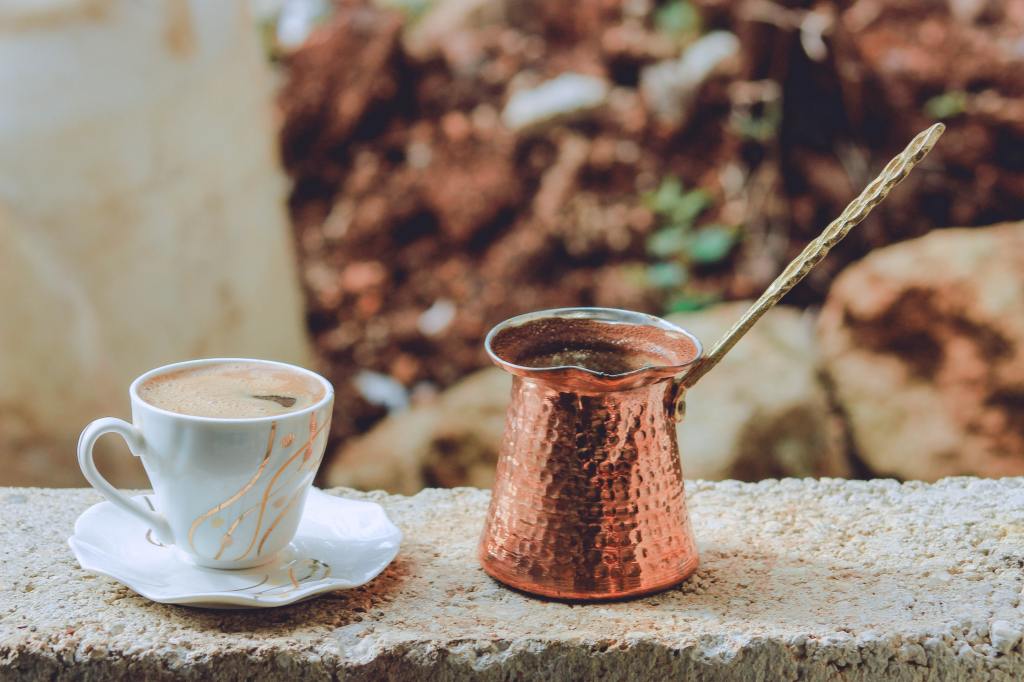
Turkish coffee has more history than most other types of coffee – let’s talk about how it came to be, what exactly is it, and the most important thing: how to make it.
Coffee came to Turkey as soon as the 16th century, way before it had made its way to Italy – which is widely considered the country of good coffee.
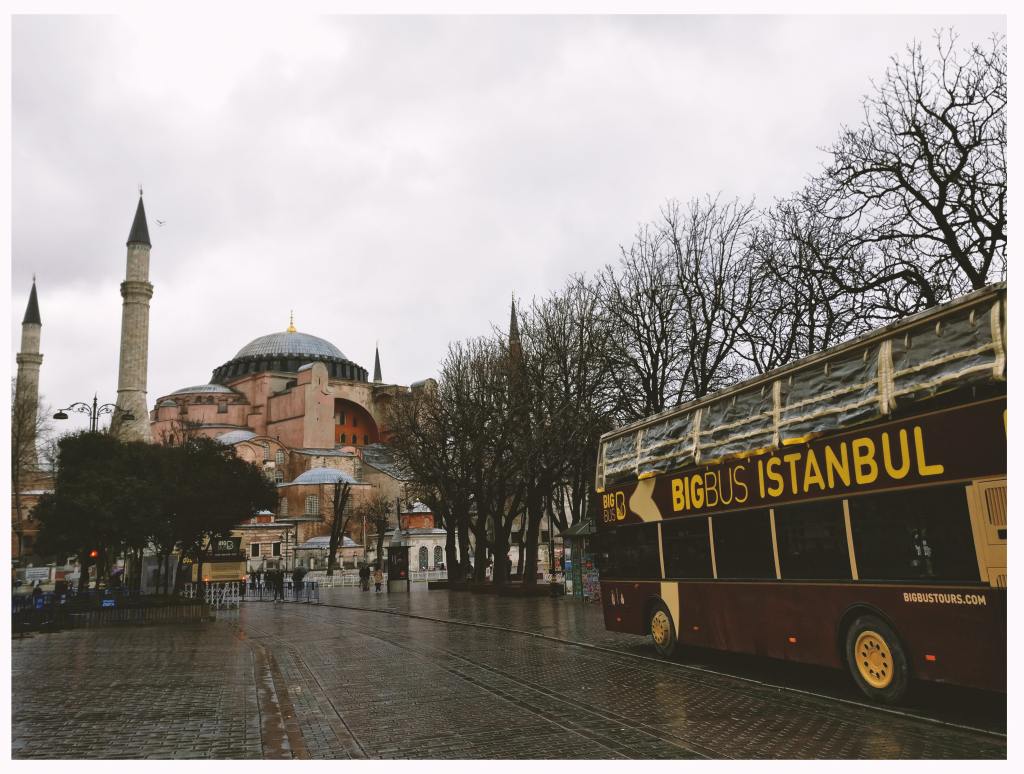
Istanbul, the capital of Turkey, was once too, the capital of the Ottoman Empire. Sometimes referred to simply as the Turkish empire, it controlled a vast area ranging from Southeast Europe to the Middle East and some areas of North Africa.
As a result of being such a multicultural empire, the people of Istanbul particularly were eager to adopt the good things about other cultures. The coffee bean came from Yemen, were it was mostly drank by religious Sufi monks to stay awake during nightly meditation – the people of Istanbul soon fell in love with it.
Ibrik, Cevze, or just Turkish Coffee?
For better or worse, this method of making coffee has become known as Ibrik.
While in Turkey there is such a word as Ibric, it is used to refer to a common decanter – something you use to pour coffee, milk, water and what have you. The word for the actual utensil that is used to make coffee in is Cevze.
But when it comes to names, things get really complicated; because coffee has been present in the region way longer than anywhere else in the world, many countries credit themselves with Turkish coffee.
Romania has romanian coffee; Greece has greek coffee… and so on. It can get really confusing, so let’s stick to calling it Turkish coffee for now.
Brewing Turkish Coffee
I can tell you don’t want to hear about anything else related to but not really about making Turkish coffee. So let’s get right to it. Before going through a step-by-step guide, let’s get to know what we’re gonna be working with.
The Ibrik
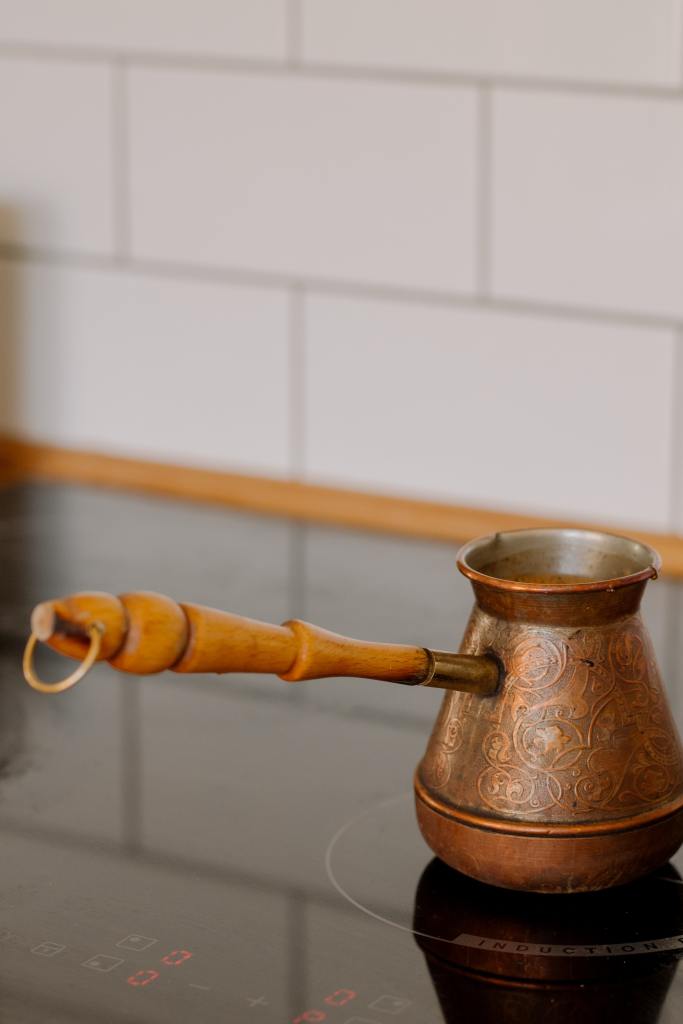
The Ibrik is generally a small pot, which has got a long handle attached to it – the longer, the better because the pot can get very hot, and you’re going to need to have your hand on the handle constantly while the stove is on.
Choose an Ibrik with a nice handle that you can have a firm grasp on – this is really the most important part, and should be ideal for your hands specifically.
The Coffee
Whether you’re a newbie or a coffee enthusiast, there are three types of coffee grinds that you’ve probably used; Coarse, medium, and fine.
Usually one uses coarse for French Press or Cowboy Coffee, while fine grind is used mostly for making espresso. Medium grind is used for filtered coffee methods like the Chemex or the Hario.
And then, there’s Turkish coffee. It turns out that the oldest brewing method there is uses the finest type of grind (instead of the coarsest, which would be more logical). This is known as powder -or powdered- coffee.
While there are specialty brands that offer powdered coffee, you can get very close to this by setting a coffee grinder to finer than espresso, if possible. If not, you can always find someone willing to lend you their grinder for just a bit – in exchange for a cup of delicious Turkish coffee, of course!
Brewing the coffee
What you’re going to need:
● An Ibrik, cevze, toorka, mbiki; A pot for making Turkish coffee.
● Very finely ground coffee.
● Sugar. I recommend raw cane sugar, as it enhances the flavor and aroma.
● Spices. For the first time, it’s better that you have it without any spices, just to get a sense of the taste without anything else.
How to make:
- Pour water and coffee into your Ibrik. Water should be cool – not cold nor hot.
- Add sugar and stir to mix.
- Set the stove to low heat, and put the Ibrik on. Now we wait patiently.
- When the coffee is near boiling and you see it foam up, take it off the stove just a second before it pours over. Let it rest for 30 seconds, then again on the stove.
- Repeat the last step once -although this can be done a couple more times, by this point your coffee is more than ready- and take off the stove.
- Pour slowly and carefully.
Serving the coffee
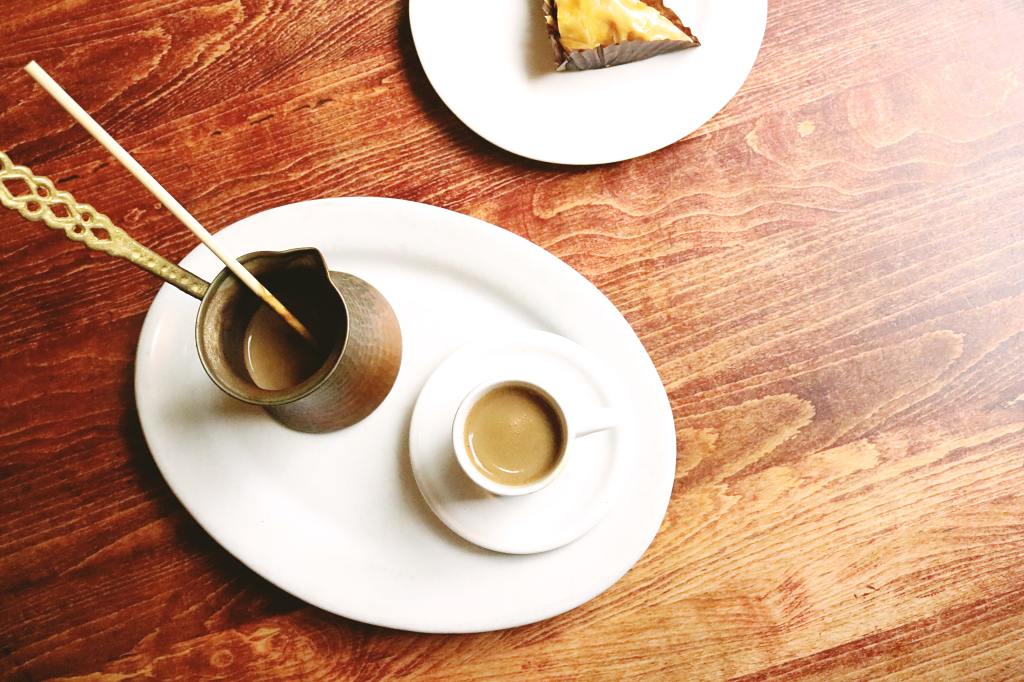
While there are cups that are made specifically for drinking this type of coffee -Turkish coffee cups-, it’s highly unlikely that you have a spare set of Turkish coffee cups lying around somewhere. Espresso cups will do just fine – this coffee is best enjoyed in small amounts.
To serve Turkish coffee, you must let your Ibrik sit for a while before you even think about pouring into a cup. Although Turkish coffee is supposed to be muddy, there are limits.
If you poured right after turning the stove off, all the coffee grounds will still be rapidly circling in the water because of the near-boiling temperature, which sends air bubbles from the bottom of the pot to the surface – so first, one must let it sit, so the majority of all the coffee stays at the bottom of the pot.
Once you have let it sit, you can go ahead and serve (carefully).
About Spices
Though the western world has always been quite bland when it comes to spices, it can be headache-inducing to sort through all of the spices that people sometimes add to Turkish coffee.
There are three ways you can add said spices: Before brewing (together with the ground coffee), after the coffee is done brewing, and after serving – individually on each cup.
Each different way to add spice to your coffee will have a different impact on the overall taste of your coffee:
Adding it beforehand usually makes for a much more intense flavor – though experience is required for this, as too much can ruin your coffee.
Adding it after brewing makes for a milder taste, but enhances the aroma of your coffee greatly.
Adding after serving is obviously the way to go if you have to serve different people who might not have the most tolerant palate.
Now you know not only how to make Turkish coffee, but also how to serve it properly should you have guests over curious about what Turkish coffee tastes like. Don’t be afraid to show off!

