The two main beans
In the world of coffee, Arabica and Robusta are the two main varieties of beans one will find makes up their cup of Joe in the morning. Other varieties do exist, but these two are the most commonly produced and for a few different special reasons. Key word here is “different” because that is exactly what we will be looking at today, the differences between these two megaliths of the coffee bean world. And perhaps, this article will make you want to check out some of the differences yourself. By which I mean, give both a brew and see which ones your personal favorite. But for now, reading!
Compare and contrast
So let’s see how these two beans stack up when things like flavor and caffeine are involved! All of the highest quality coffee beans in the world are Arabica. I usually try not to write in absolutes, that’s a Sith thing, but in this case if one were to go to a coffee bean competition the winners will be Arabica beans, with very few, if any, exceptions. Jamaica Blue Mountain, Geisha, all of the famous luxury quality beans are Arabica. Arabica’s flavor palette can range from sweet, soft, pleasant and mild to fruity, floral and honey-like with region and terroir bringing other unique hints and notes to the table. Arabica beans also typically have higher amounts of acidity than Robusta beans.
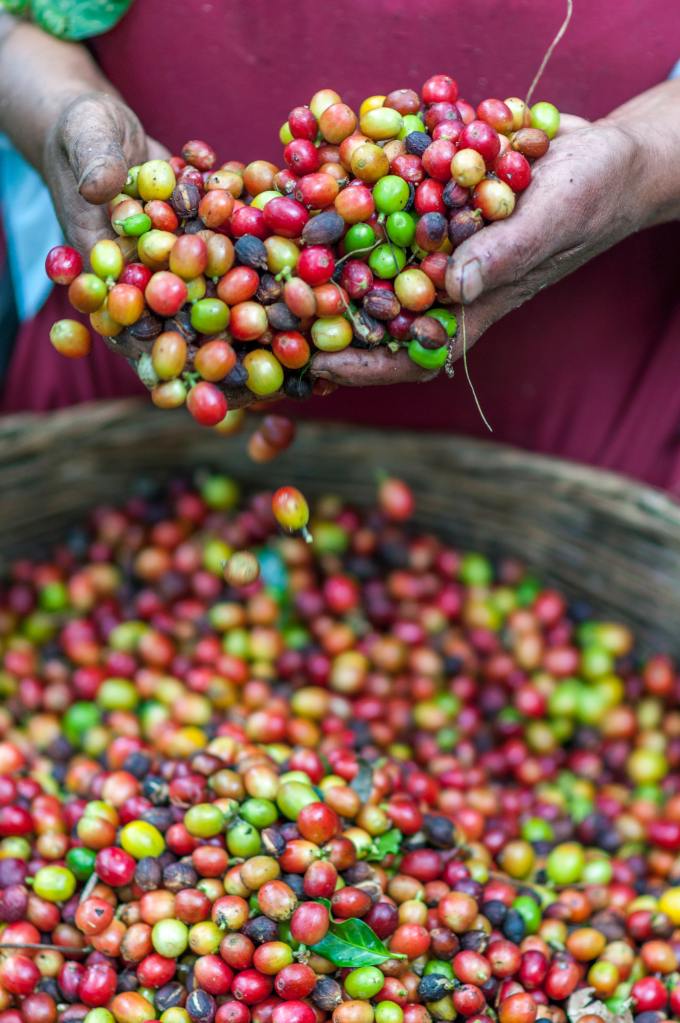
Robusta’s name has “robust” right in there. Suggesting you are getting a staunch and pretty burly bean! And you are, the flavor of Robusta is powerful, the taste is more bitter than Arabica’s and the flavor palette is grainy and nutty. For those who have had the pleasure of enjoying Vietnam’s amazing Cà phê sữa đá you may have noticed a taste that kicks you in the taste buds but also wakes you up like nobody’s business. That’s a one-two punch that Robusta is known for, it has a strong taste and also about 2 times the amount of caffeine that Arabica has.
In terms of flavor and other criteria we will examine, good or great quality Robusta can compare to okay or normal Arabica. But great Robusta can never compare to great Arabica. Or so it is said. Robusta beans do have their places to shine, however, outside of Vietnamese coffee high quality Robusta can make for some remarkable espresso. As espresso is enjoyed for its powerful flavor and caffeine, Robusta can serve this role swimmingly and even contribute to a keen crema, too!
When it comes to cultivation the differences are also further pronounced. Arabica plants usually need to be placed within what can be referred to as the “coffee Goldilocks Zone”. This special geographical niche zone includes some cool factors like volcanic or highly acidic soil. Soil that has a good amount of drainage. Elevated altitudes like mountains and highlands. A tropical climate featuring hot, humid weather with tons of rainfall but also a high development of cloud coverage to protect the coffee plants from getting too scorched. Arabica can certainly grow outside one or a few of these parameters but the highest quality plants meet all of them. Arabica plants also happen to be very sensitive little things. They react strongly to changes in weather patterns as well as hungry insects and possible plant diseases. If one Arabica plant in a plot gets sick, there’s a high percentage chance that all the other plants will get sick and probably end up dying. Not a good thing. And so like so many other artisanal things, while the end product is exquisite, the means to produce it are very hard to maintain.
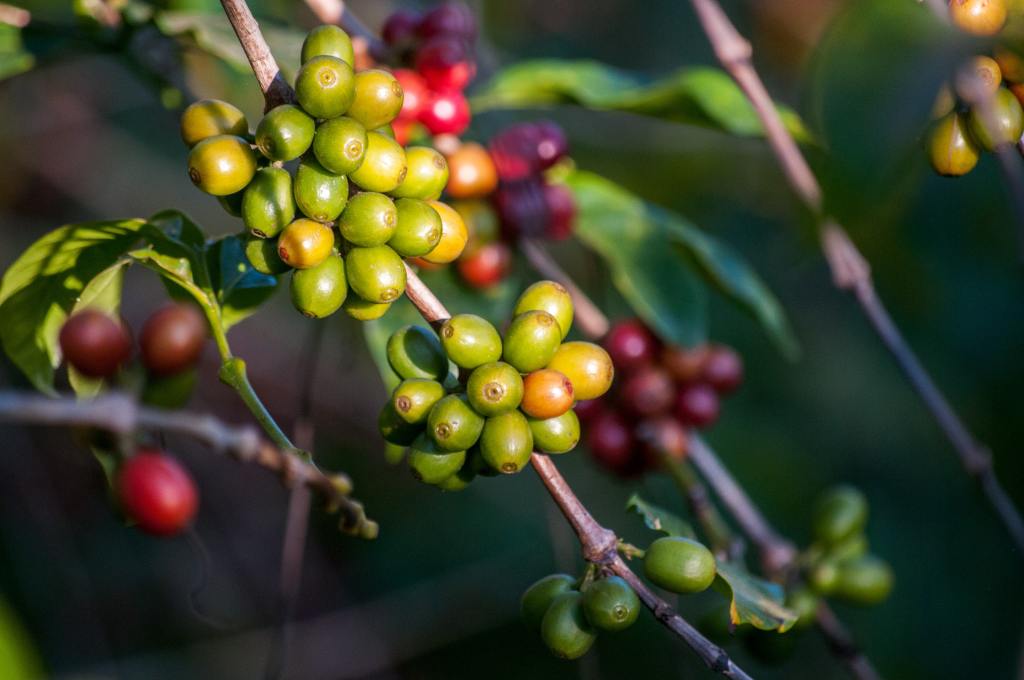
The “robust” in Robusta comes into play here too, though. Robusta plants are hardy and rugged. They are also easier to grow. Whereas Arabica plants need some height to grow properly, Robusta plants can grow at lower altitudes. Robusta plants are more resistant to diseases and ailments that could wipe out an entire Arabica crop. They can also fend off from bugs more easily than Arabica, partially due to the high caffeine levels the Robusta has. Caffeine can deter insects who may be curious and give the plant’s leaves and cherries a bite. This allows Robusta plants to be planted almost anywhere, especially in places Arabica plants wouldn’t last too long in.
And speaking of the coffee cherries, another major distinction between Robusta and Arabica comes in how the cherries they produce, too. Arabica cherries take much longer to fully develop, ripen and grow. The end product is on average of much higher quality, however. Meanwhile Robusta cherries are produced and can be harvested much faster. This leads to a greater and more frequent yield than Arabica but at the risk of coffee beans that demonstrate the old, “quantity over quality” dichotomy.
Geographical differences affect the quality of growing conditions influencing these two beans differ on. South and Central America grow Arabica almost exclusively. Whereas Africa and Asia have the majority of the Robusta crops. There are countries and regions that do in fact produce both kinds of beans, though. So it is not uncommon to find regions that produce both types of beans.
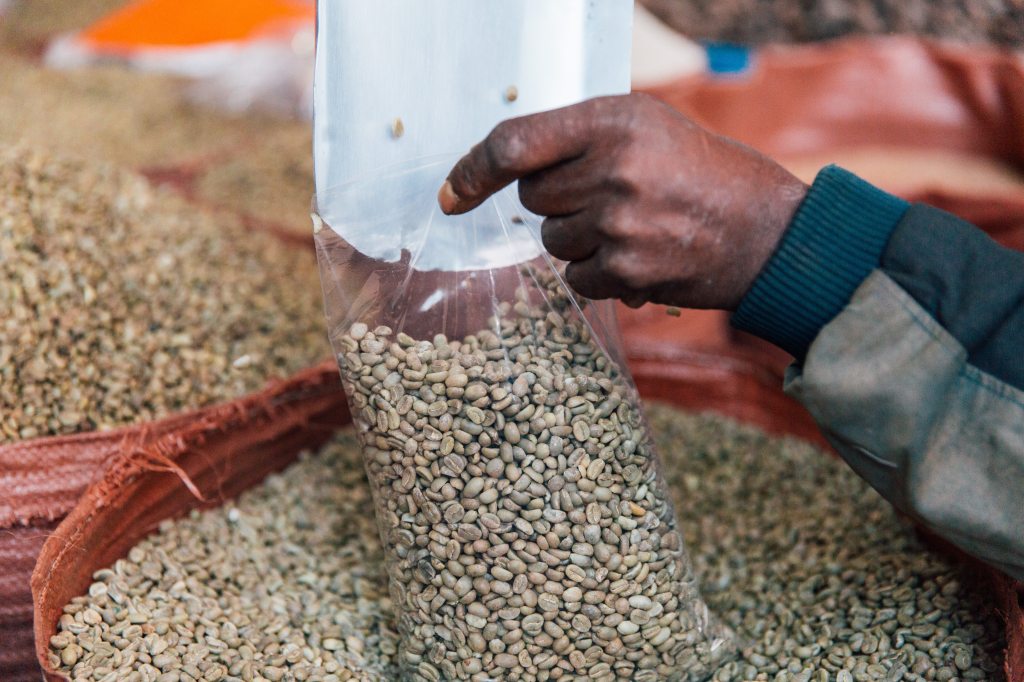
Now this brings us to the differences in how these beans are utilized. Robusta lends itself to mass production of beans. Robusta is cheaper to produce and the end product is cheaper to purchase, too. Robusta is usually used for bulk coffee grounds or to jazz up instant coffee with a more powerful taste and dose of caffeine. Arabica is usually sold at a higher price, indicating the higher cost of production for these beans. Lots of third wave coffee is Arabica, while first wave coffee is generally Robusta.
So the verdict is?…
We won’t be too judicial for this part. In regards to which one is “better” there are as many factors as there are things that separate these two types of beans. The argument that is often made is that Arabica is the better of the two due to the ecological and sustainability factors that Arabica cultivation is more conducive to following through with. Because Robusta is generally used as a cheaper crop on factory farms, in many cases things like sustainability and fair wages for workers are not high on the priorities list of concerns for a farm owner. This is not universal in all cases, however.
Assuming a bean whether Robusta or Arabica are produced following fair trade and sustainable guidelines, the real answer as to which one is “better” would be determined by personal preference. For example, Vietnamese coffee like Cà phê sữa đá has come into the conversation before. This is an incredible, delicious and energy enhancing type of coffee that we highly implore our readers to give a try, preferably in Vietnam to be as authentic as possible. But the beans of choice are Robusta, which is generally the case are in other areas in Southeast Asia where the main type of bean that is produced is Robusta. So here is a concrete example of Robusta being an extraordinary bean of choice, trying to replicate Vietnamese styles of coffee with Arabica would not have the same magnitude as it does with Robusta.
And while we may consider Arabica the best beans bar none, an unfortunate and sad bag of Colombia I purchased a few weeks ago begs to differ. The beans smelled musty and unpalatable. And as for the flavor and aroma, the scent of a basement and a flavor that was flat and unremarkable were the best parts of the beans.
So, while Arabica from Colombia is of some of the highest quality coffee in the world and the fact that these beans in particular were Colombian is by no means a critique of Colombian coffee in particular, but it is certainly to say that just because the beans are Arabica does not necessarily translate over to good or high quality every single time.
Robusta and Arabica
Thus concludes our break down of these two beans. But now is the most fun part, testing for yourself which bean is the right one for you. So get out there and start brewing!
Sources:
“Arabica Coffee.” C&CI Mag, coffeeandcocoa.net/difference-arabica-coffee-robusta-coffee/.
Durand, Faith. “Coffee Basics: The Difference Between Arabica and Robusta.” Kitchn, Apartment Therapy, LLC., 3 May 2019, http://www.thekitchn.com/coffee-basics-the-difference-b-41949.

